STRATEGIC OVERVIEW
The Western Sahara conflict remains one of the world's longest-running unresolved territorial disputes. In 2026, the situation is best described as a frozen conflict with periodic low-intensity escalation, where neither side achieves decisive progress but tensions persist.
Morocco controls the majority of the territory and has integrated it administratively and economically. The Polisario Front, backed diplomatically by Algeria, continues to advocate for self-determination and maintains a limited armed presence.
Despite decades of UN-led mediation efforts, a final political resolution remains elusive, reinforcing a status quo defined by stalemate and managed tension.
THREAT VECTOR ANALYSIS
Low-Intensity Military Activity
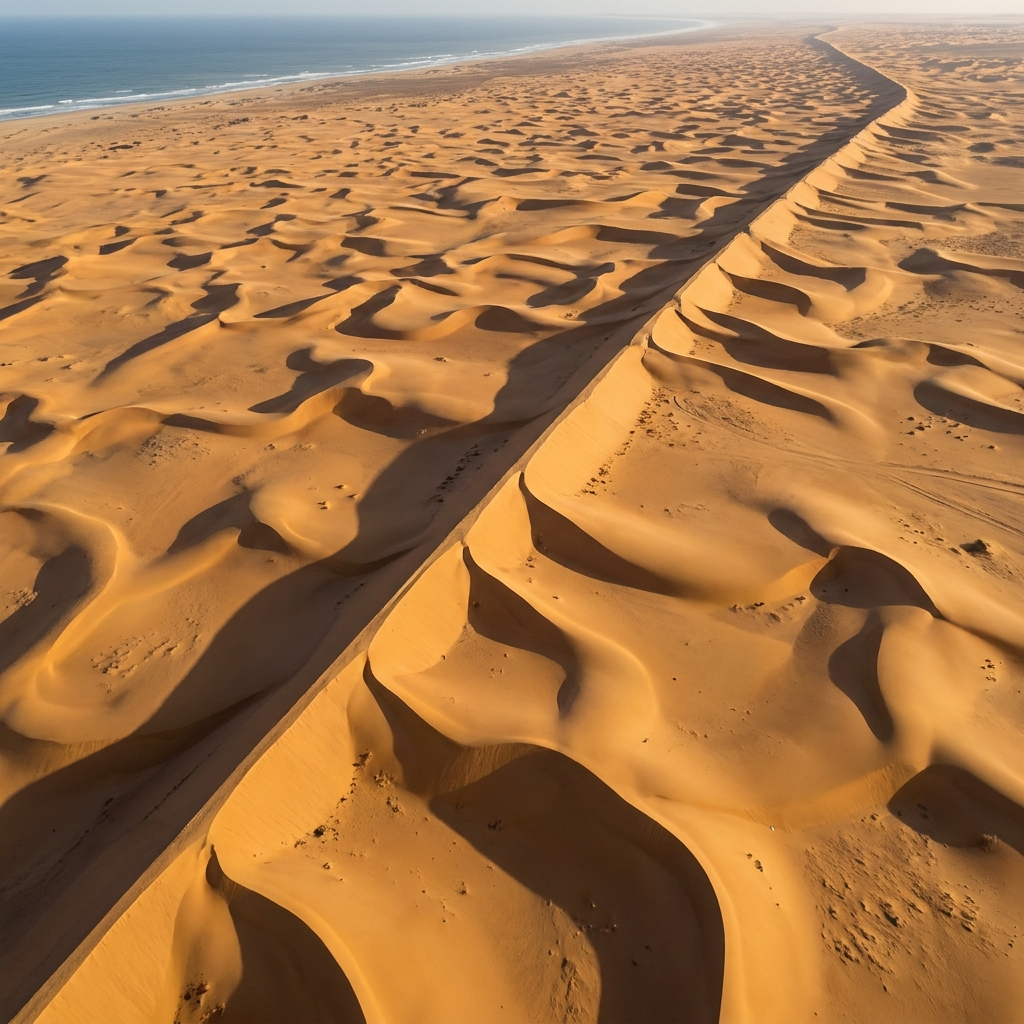
Since the breakdown of the ceasefire in 2020, sporadic clashes have occurred along the berm — a 2,700-km defensive barrier separating Moroccan-controlled and Polisario-controlled territory. These engagements are limited in scale but maintain a baseline level of conflict.
Diplomatic Stalemate
Negotiations have stalled due to fundamentally opposing positions:
- Morocco supports autonomy under its sovereignty.
- Polisario demands a referendum on independence.
This deadlock prevents meaningful progress and freezes the dispute at the political level.
Regional Dynamics
Algeria's support for Polisario and its rivalry with Morocco add a regional dimension to the conflict. This increases strategic tension but stops short of direct confrontation. The 2021 severing of Algeria–Morocco diplomatic ties continues to shape every aspect of the file.
Information and Legitimacy Battle
Both sides engage in diplomatic and media efforts to gain international support. Recognition decisions by foreign governments — particularly major powers — meaningfully influence the strategic environment, even when they do not change facts on the ground.
MILITARY POSTURE
Morocco maintains a strong defensive position, supported by:
- The berm, an extensive defensive barrier system.
- Conventional military superiority.
- Surveillance and control infrastructure including drones and radar.
Polisario forces operate with limited mobility units, guerrilla tactics, and restricted operational capacity. The imbalance in capabilities reduces the likelihood of large-scale offensive operations from either side.
OUTLOOK
The conflict is expected to remain stable but unresolved. Key trends include:
- Continued diplomatic efforts without breakthrough.
- Occasional low-intensity clashes along the berm.
- Incremental changes in international recognition for Moroccan sovereignty claims.
- Sustained humanitarian challenges in Sahrawi refugee camps in Algeria.
A major escalation is unlikely, but long-term stagnation will persist without political compromise.
"Western Sahara represents a classic frozen conflict where time reinforces the status quo. The absence of urgency among key actors reduces the likelihood of resolution, ensuring continued strategic stagnation." — Based on UN, Reuters, BBC, and International Crisis Group reporting.
OUTLOOK SUMMARY
Western Sahara is the textbook example of a conflict that does not need to be resolved to remain stable. The combination of Moroccan structural advantages, weak external pressure, and a fragmented Sahrawi diplomatic position keeps the file frozen. Any change is more likely to come from a shift in great-power positioning — particularly toward Moroccan sovereignty — than from negotiations between the parties themselves.
FREQUENTLY ASKED QUESTIONS
What is the Western Sahara conflict about?
The conflict involves competing claims over territory between Morocco and the Polisario Front.
Who are the Polisario Front?
The Polisario Front is a movement seeking independence for Western Sahara.
Why is the conflict still unresolved?
Long-standing political disagreements and stalled negotiations have prevented a resolution.
How often do clashes occur in the region?
Clashes are generally low-intensity and sporadic.
Which territories are contested?
Disputed areas include zones along defensive lines and sparsely populated regions.
What is the role of the UN in Western Sahara?
The United Nations supports monitoring and diplomatic efforts aimed at resolving the conflict.
AUTHOR
Arda Alkis is an energy and hybrid conflict analyst specializing in maritime security, strategic chokepoints, and irregular warfare. His work is based on open-source intelligence and data from ACLED (Armed Conflict Location & Event Data), the International Crisis Group (ICG), and international reporting networks. He focuses on energy-driven conflicts, proxy warfare, and instability across the Middle East, Africa, and global trade corridors.
Read more about the WarWatch editorial team on the About page.
SOURCES AND REFERENCES
- ACLED (Conflict Data)
- United Nations OCHA
- International Crisis Group (ICG)
- Reuters – Africa
- BBC News Africa
TRACK NORTH AFRICA SECURITY DEVELOPMENTS IN REAL TIME
⊙ OPEN LIVE MAP